SIGN UP


The Untold Story of Christian Klings, Whose Tourbillon Wristwatch Just Sold for Over $1 Million

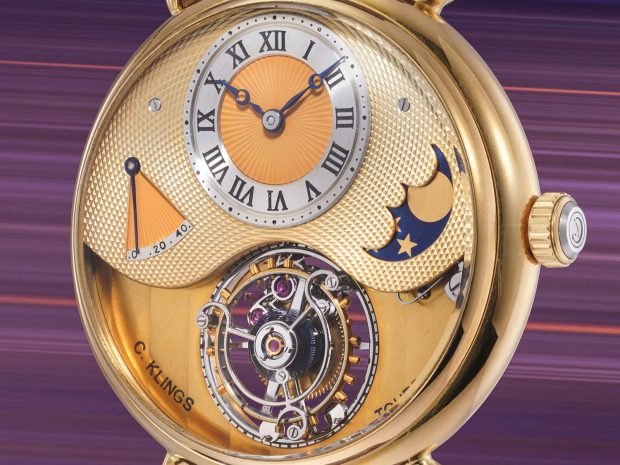
At the highly publicized Phillips Decade One auction earlier this month, several prominent brands commanded staggering bids. One lesser-known marque, however, stole the spotlight: a Christian Klings tourbillon that soared to more than four times its upper estimate.
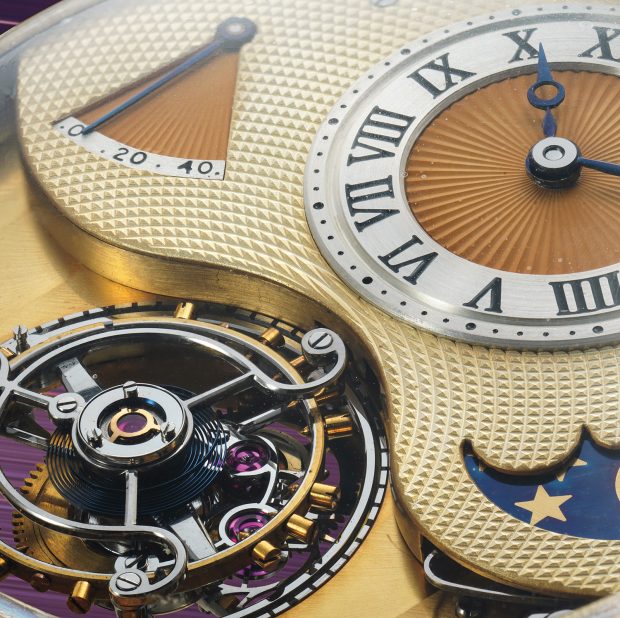
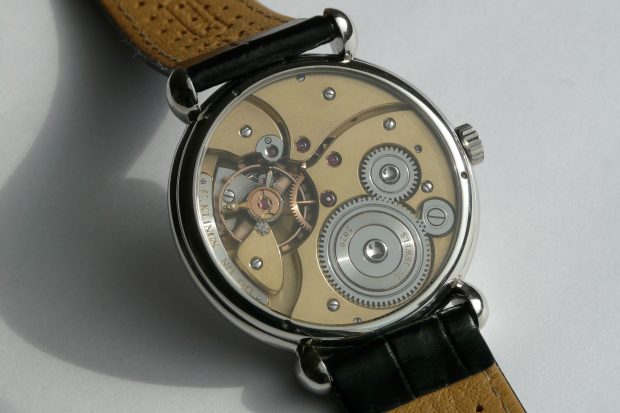
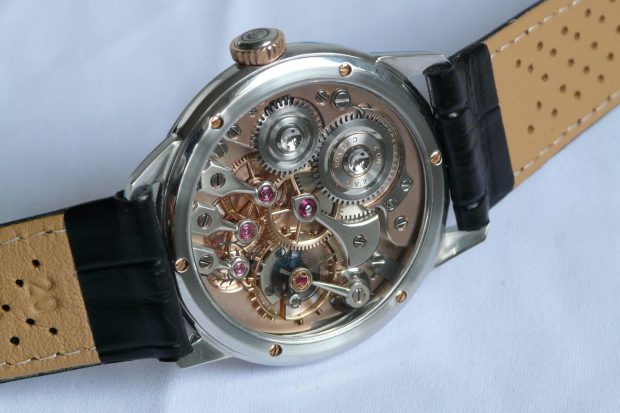
Initially projected to sell for CHF 100,000 to 200,000, the Christian Klings Tourbillon No. 7 achieved a final bid of CHF 889,000 (approximately USD 1.12 million at the time of writing), making it the most expensive Klings timepiece ever hammered.
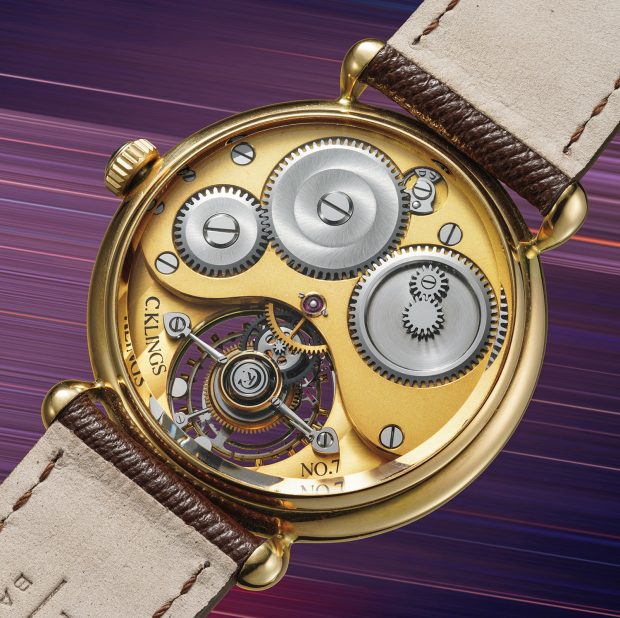
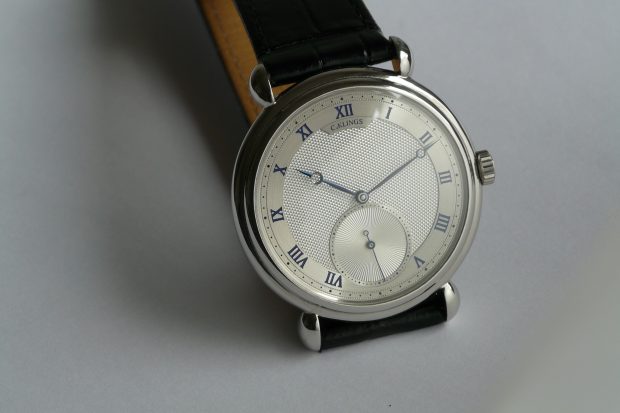
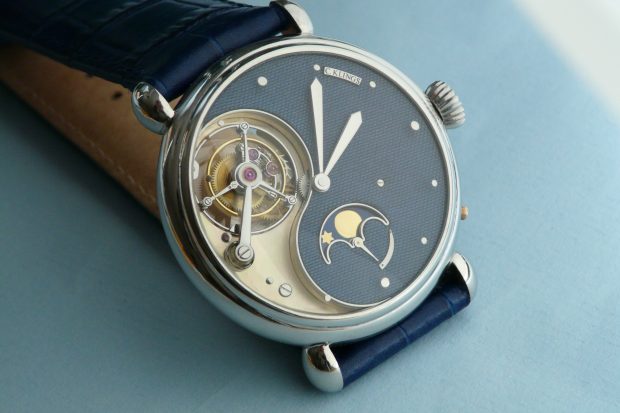
Little is known about Christian, a now-retired independent artisan, other than the fact that he produced only 33 watches over the course of his career. What is clear is that most have sold for more than twice their estimates—testament to the near-mythical reverence collectors hold for his work.
“The Tourbillon No. 7 is my favorite watch,” says Christian, who created this timepiece for a private client back in 2007. “I researched how to give it a harmonious balance and was very happy with how its design turned out.”
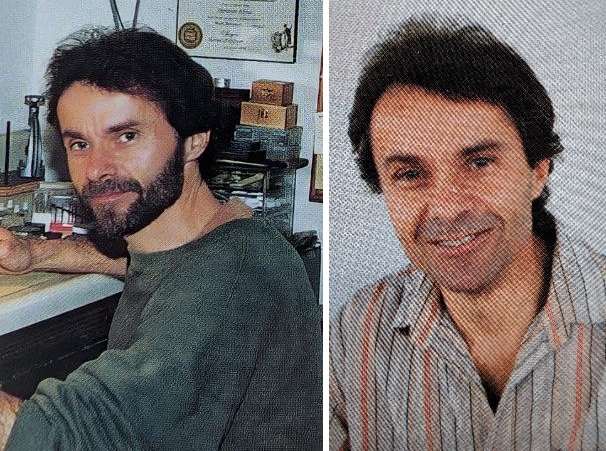
Born in Germany in 1957, Christian had always been compelled to understand how things worked. From as young as seven, he recalls taking clocks—then later watches—apart. “I’m a keen observer,” he says, “and slowly discovered my autodidactic ability.”
As a teenager, he devoured horological literature and, at 17, secured an apprenticeship in Dresden repairing clocks and watches under the guidance of tenured watchmakers. His curiosity and appetite for learning eventually led him to the United States, where he lived from 1986 to 2000.

“I wanted to see other parts of the world and found a watch-restoring job in Marin County, California. There, I gained more experience restoring a wide variety of clocks and watches.”
As his competencies grew, a thought quietly formed, one that would shape independent watchmaking history: perhaps it was time to make a watch of his own.

A Life Devoted to Handcrafting
“I was always impressed by watchmakers like George Daniels, Derek Pratt, and Richard Daners—their artistic abilities to create such beautiful timepieces with just simple machines,” he says. “So, I made my first watch in a similar way.”
Completed in 1996, his first watch used a ready-made Swiss movement that he modified, but the dial and case were fashioned by hand from raw metal. When he exhibited it at a crafts competition in Cleveland, Ohio in 1997, he won first prize. Even the local bulletin took notice.
“Since then, I couldn’t stay away from making watches. I also like creating tourbillons and different variations of escapements,” he enthuses. “I enjoy the process, taking the time to figure out the design, build the supports and the parts.”
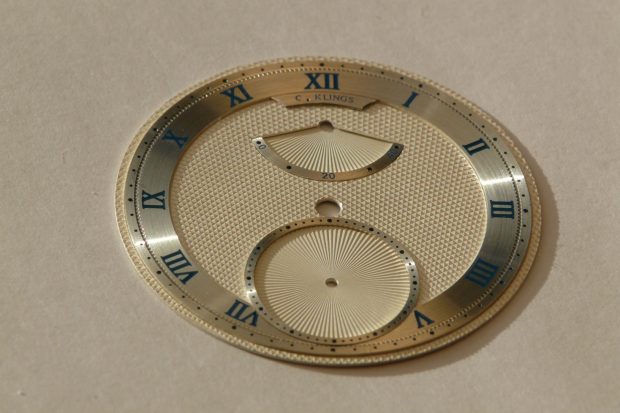
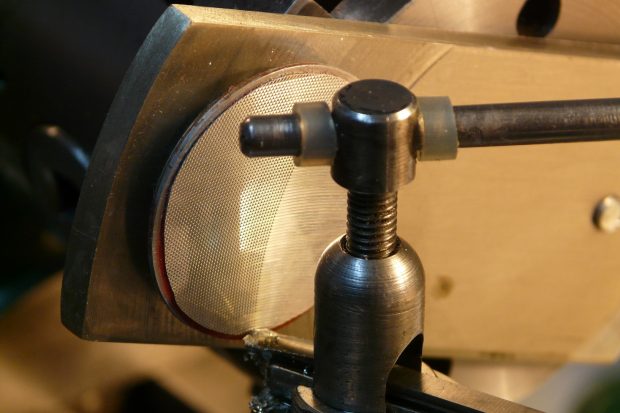
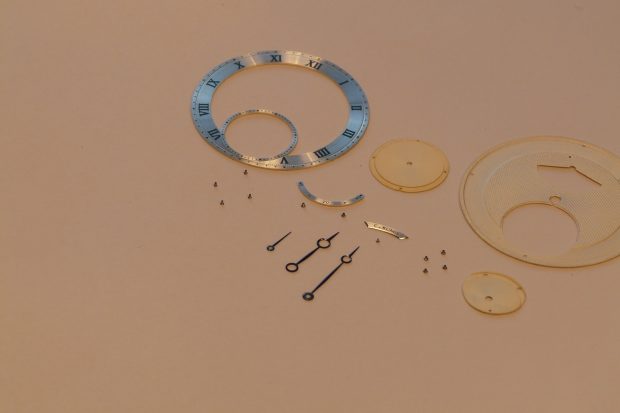
Some of his movements were built entirely by hand; others were existing calibers he painstakingly skeletonized into mesmerizing openworked creations. As for the cases, crowns, dials and hands, “I make them all from scratch,” he says proudly.
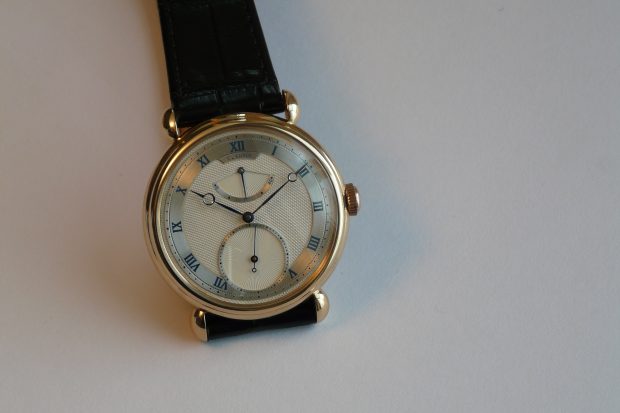
Why take such a laborious path when his elite skills could have secured him a comfortable career at a major brand?
“I can’t say why I didn’t join (the big brands). I tried it, and couldn’t seem to fit in.”
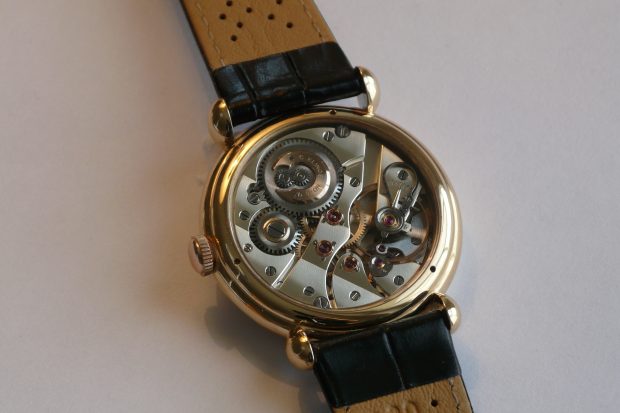
Looking Back on a Singular Career
The consequence of Christian clinging to his watchmaking independence: 33 of horology’s most sought-after grails, each requiring roughly a year of dedicated labor.
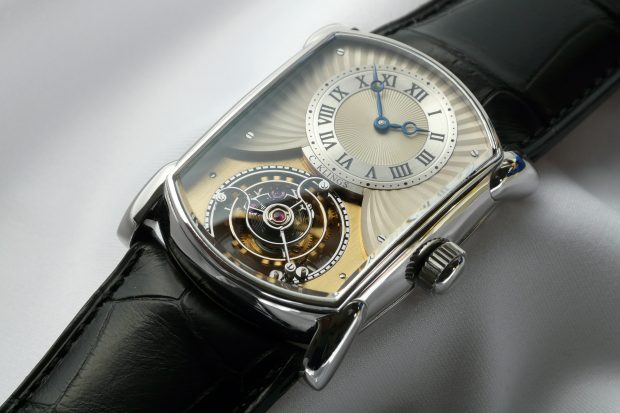
“The Tourbillon No. 7, for instance, took me more than 2,000 hours to create. Looking back, I cannot imagine how I did it. All that patience and perseverance… these are gifts given from our creator, our Lord.”

Christian retired in 2024 and now lives in Saalfeld, Thuringia, in his native Germany. He tells me he feels deeply honored that his work continues to be so appreciated, even as today’s watch industry—with its rapid innovations and advanced machinery—feels like an entirely different universe from the one he knew.
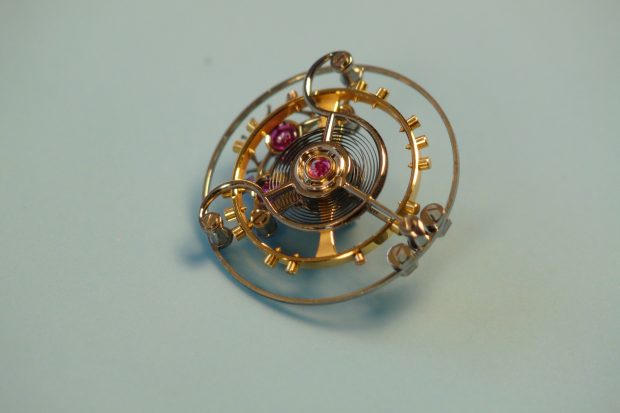
“I have a deep respect for artists like painters and composers who spend so much time on their art,” he reveals of his perspective and motivations.
“Little details of art connect (admirers) with the hands and the heart of the artist. When placed in a harmonious balance, they radiate beauty, surviving centuries without losing their charm.”


Advertisement

Related Posts





Advertisement