SIGN UP

Jumping Display Watches Are All The Rage: Here’s What You Need to Know

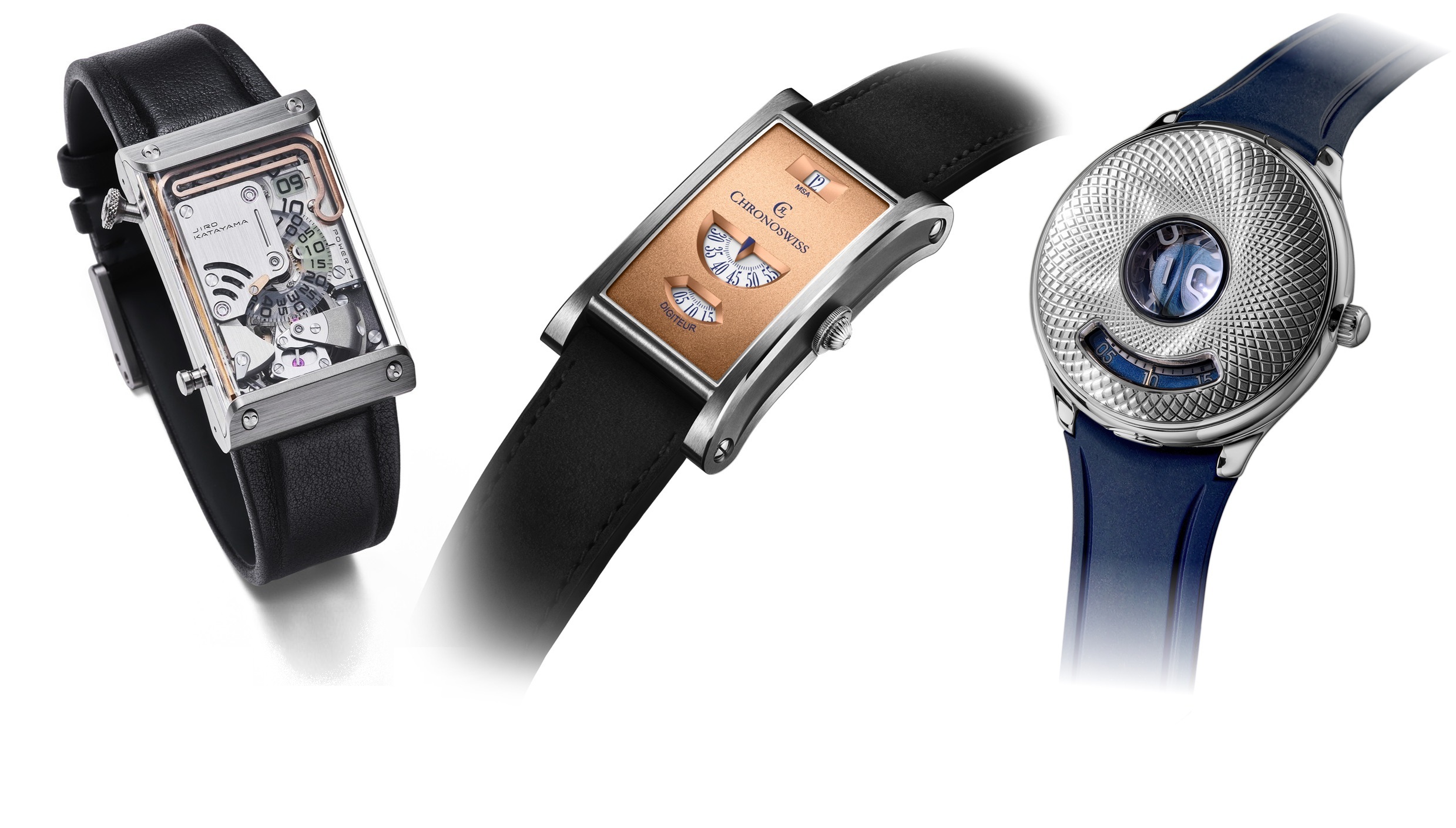
If Cartier’s decision to revive the Tank à Guichets as its Watches Wonders 2025 showpiece is any indication, jumping (also known as “digital”) display watches are firmly back in the spotlight. This mechanism is steeped in history: precursors date to the 18th and 19th centuries, and while Vacheron Constantin produced a digital “heures sautantes” pocket watch in 1824, the first example of the modern jump-hour mechanism—using an instantaneous jumping disc—was patented by Josef Pallweber in 1883 and widely adopted thereafter.
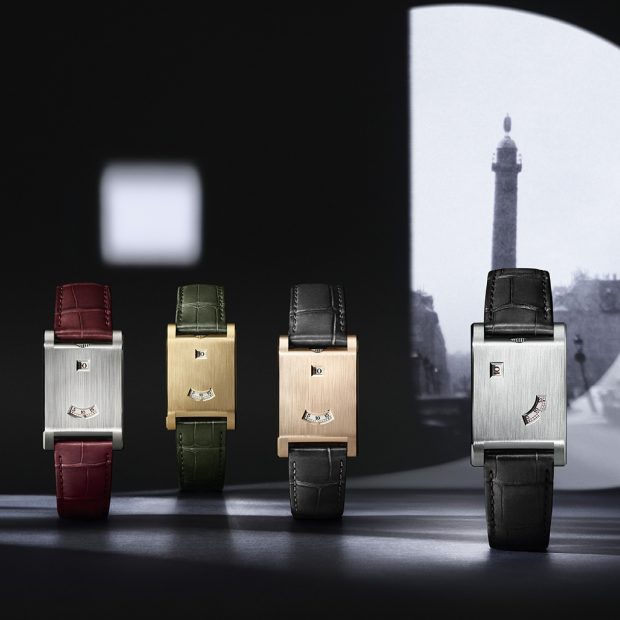
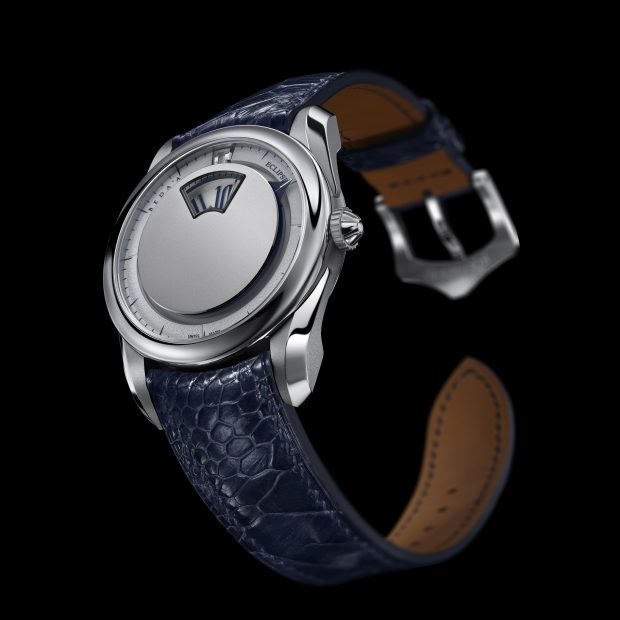
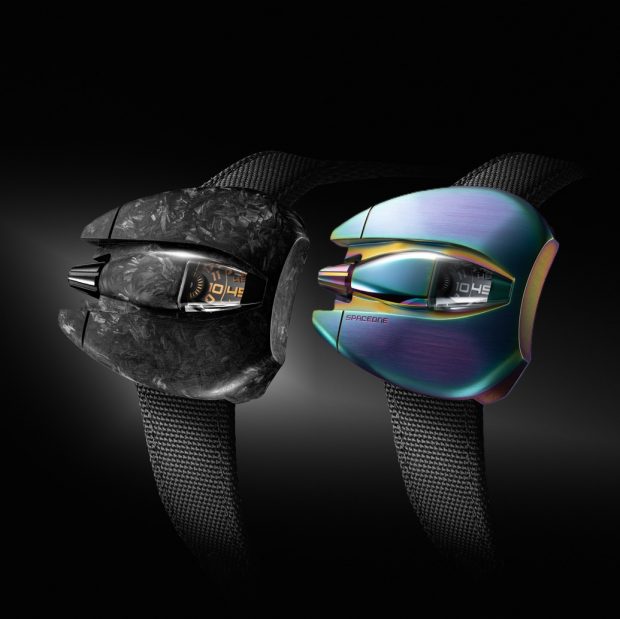
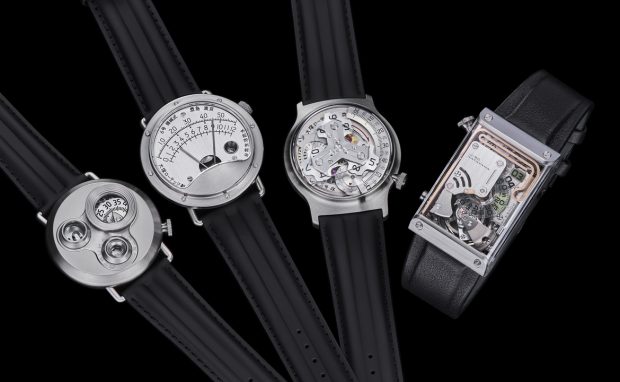
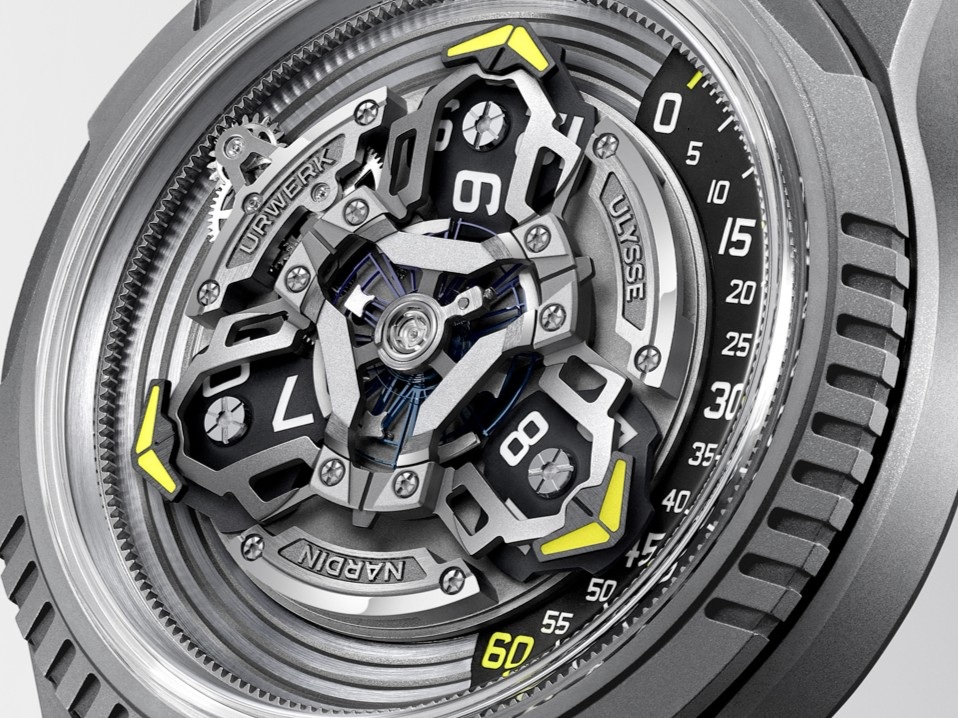
A sharp departure from pointer-and-index time-telling, these watches foreground numerical windows in a way that naturally recalls Art Deco geometry and early futurist design. And after decades of relative quiet, the category has been multiplying rapidly. Beyond the usual maisons, independents have rushed in with ever more imaginative interpretations—think the Beda’a Eclipse, SpaceOne Jumping Hour, or Otsuka Lotec’s wonderfully eccentric Models 7.5 and 9.
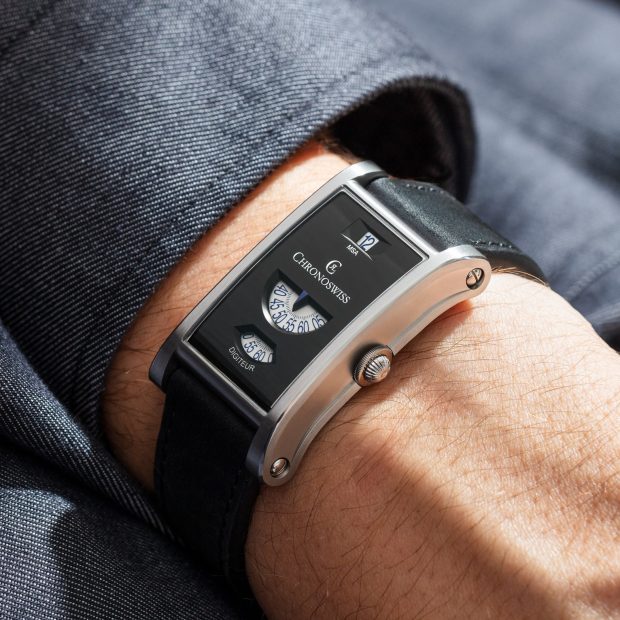
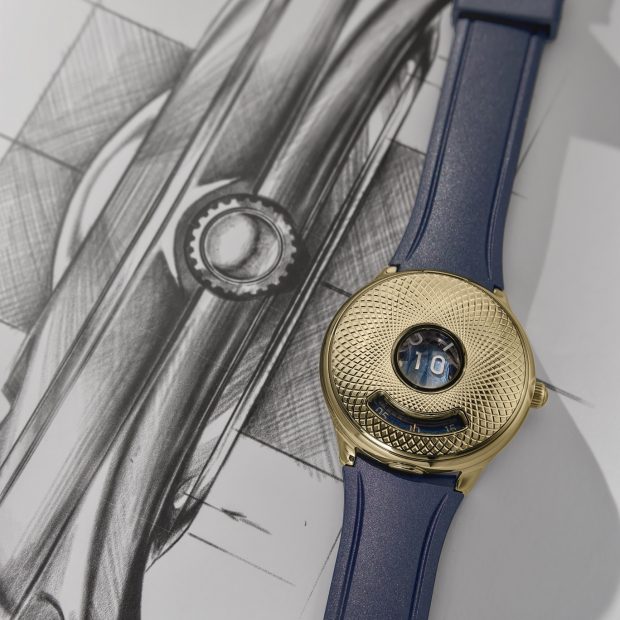
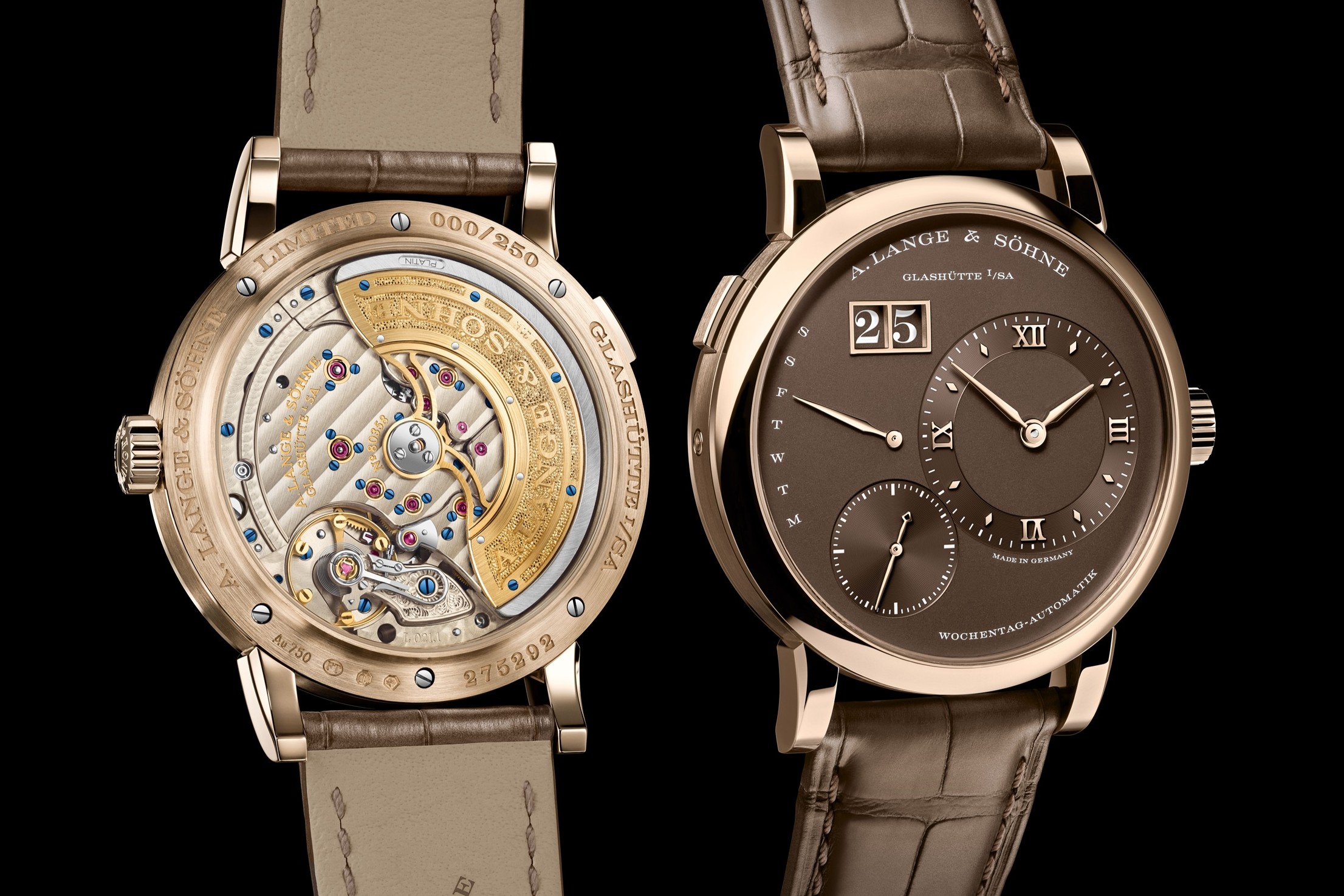
Just last week, two more entrants appeared: the Chronoswiss Neo Digiteur and the Czapek Time Jumper. Both feel like elegant rejoinders to that early 20th-century moment when brands like Audemars Piguet, Cartier and Mido toyed with mechanical digital displays in a playful, modernist jab at the idea of digitization. Their spirit thrives today in classics like the De Bethune DB28 Digitale, the IWC Pallweber, and the highly regarded jumping displays from A. Lange Söhne.
But as entrancing as a crisp, instantaneous jump may be, these watches come with one quirk collectors occasionally encounter: the numerals can drift a step early or late. To understand why, we need to look at what actually makes a display “jump”.
How the Jump Happens
At the heart of a jumping display is a star wheel—or in some constructions, a snail cam—held in tension by a spring-loaded jumper. For jump hour watches, throughout the hour, the movement stores energy against this spring. On the sixtieth minute, a finger or lever releases the tension, letting the star wheel snap forward exactly one increment. The same principle applies, on a longer cycle, to jumping dates.
This instantaneous release is satisfying to watch, but mechanically demanding. Think of it as a heavily used turnstile at a subway station—every push exerts force on the mechanism, and over time wear is inevitable. If the movement is cheaply made or poorly retro-engineered, friction, material fatigue, or imprecise tolerances can accelerate this wear.
Problems arise when the teeth between driving and driven components don’t engage at precisely the correct point. Mis-indexing can cause a half-jump, where the disc doesn’t advance fully, or a premature or skipped jump, where it advances too early or leaps too far.
Only Pick Trusted Brands
This is where movement architecture matters. High-end makers design their jumping displays to avoid strain during time-setting. A well-executed mechanism—such as those engineered by La Fabrique du Temps for the recently unveiled Louis Vuitton Tambour Convergence—will decouple the setting gear train from the jumping mechanism when the crown is pulled out. This prevents the jumper spring or star wheel from being forced out of alignment while you adjust the time.
When the crown is pushed back in, the “bite point” is re-established via a shaped cam or similar self-centering element. The concept is similar to how a chronograph’s reset hammer finds the zero position of a heart cam regardless of where the hand stopped. In short, a well-designed jumping watch knows how to realign itself.
Symptoms And Best Practices
Cheaper or poorly adjusted mechanisms can still suffer:
- weak or fatigued jumper springs, leading to incomplete jumps,
- improper indexing, which causes early or late actuation,
- skipping, if the mechanism is forced during time-setting.
To avoid unnecessary wear:
- Avoid setting the time right before or right after the expected jump.
- Prefer advancing the hands forward; some movements tolerate backward setting, but not all.
- If your display starts “half-jumping” or skipping numerals, a watchmaker can easily re-index the star wheel or adjust the tension.
Properly engineered, a jumping display is robust and charming. But like all expressive mechanical complications, a reliable brand and a bit of care go a long way.
Advertisement

Related Posts





Advertisement