SIGN UP

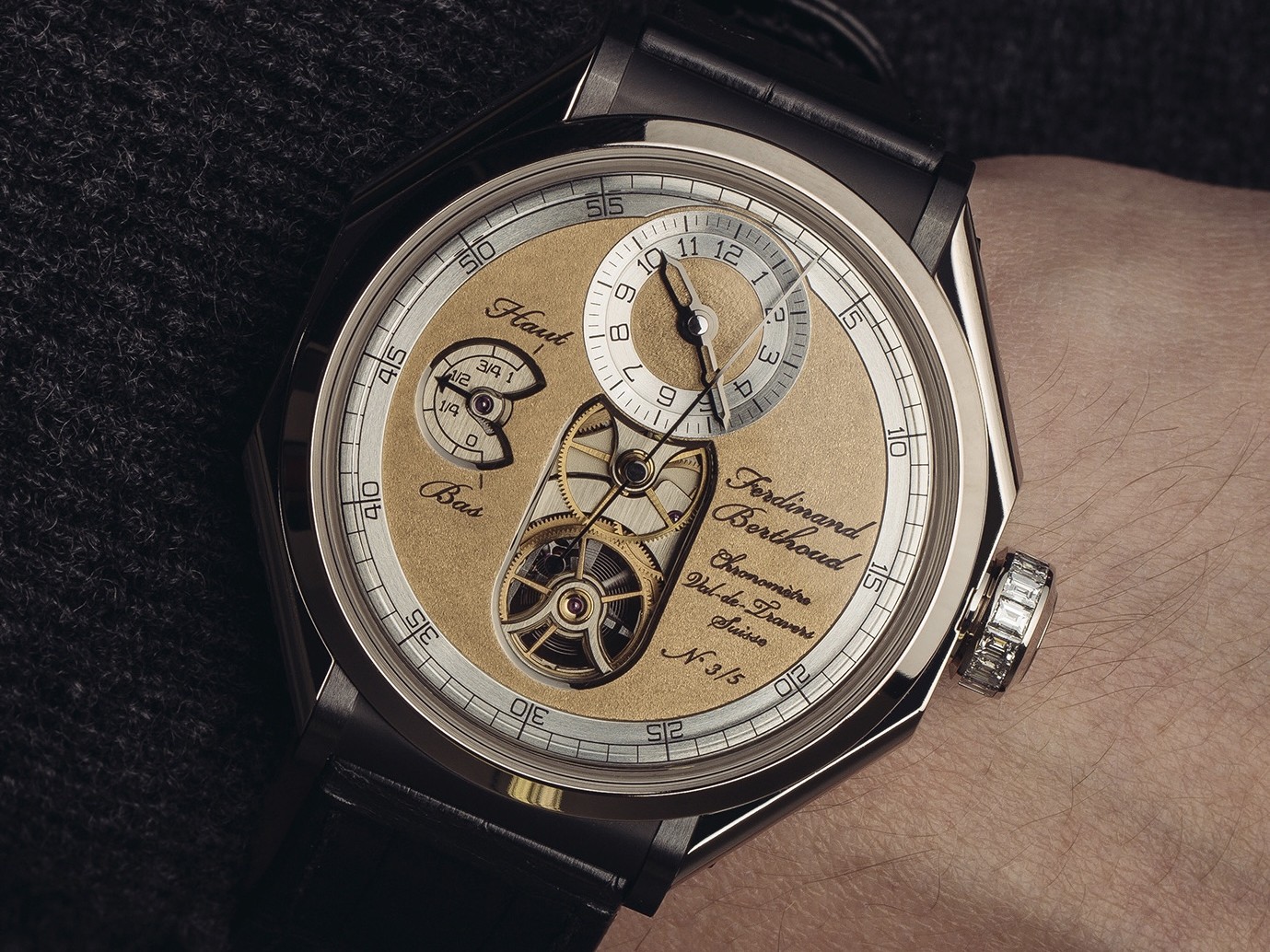
Ferdinand Berthoud Launches ‘The Quest for Precision’ Book

Acquired in 2006 by Karl-Friedrich Scheufele, co-president of Chopard, the Ferdinand Berthoud brand is defined by its uncompromising pursuit of handcraft and accuracy—a spirit perfectly encapsulated in the title of its new book, Ferdinand Berthoud: The Quest for Precision.

Published by renowned Parisian publisher Assouline, the newly launched book introduces readers to Ferdinand Berthoud, the scientist and marine chronometer pioneer whose innovations in navigation during the Age of Enlightenment were invaluable. It also traces how Scheufele’s chance encounter with Berthoud’s historic marine clocks and astronomical watches inspired him to revive the name with contemporary timepieces that remain faithful to Berthoud’s legacy.
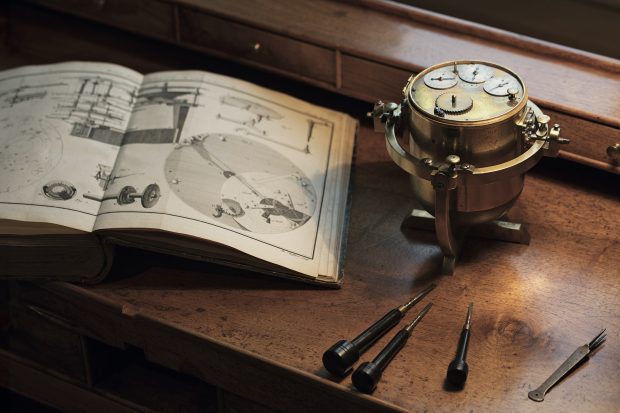
1773. Ferdinand Berthoud, Longitude Clock No. XXVIII, Paris, 1782–83 / Photo credit: Johann Sauty and Assouline
The book offers a rare look into the painstaking processes behind the roughly 100 watches produced each year by the maison—each one COSC-certified—and the philosophy guiding their creation. Since Scheufele debuted the FB 1 in 2015, the successive FB 1, FB 2 and FB 3 collections have all claimed prizes at the Grand Prix d’Horlogerie de Genève, an unprecedented feat that no other Swiss watch brand has accomplished.
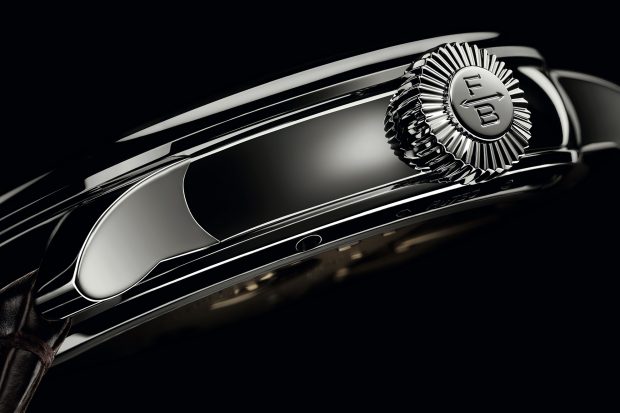
being polished / Photo credit: Photographie Diode Geneve and Assouline
Unlike many so-called “handcrafted” watches that still rely heavily on machining, Ferdinand Berthoud emphasises true artisanal watchmaking, particularly through its devotion to the handcrafting of the fusée-and-chain transmission.
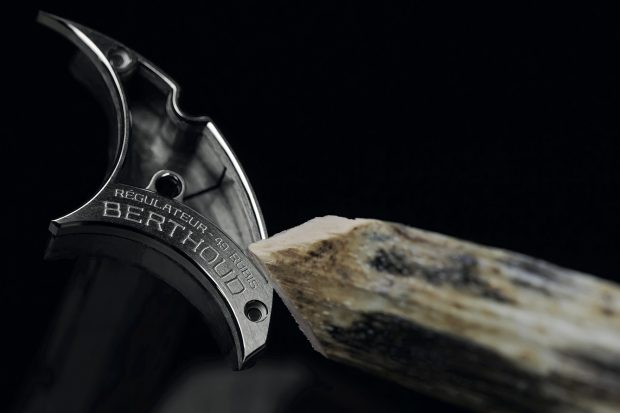
While most mechanical watches today release energy into the gear train via metal alloy hairsprings, the fusée-and-chain system releases energy steadily by uncoiling a fusée’s chain onto a rotating barrel, or vice versa.
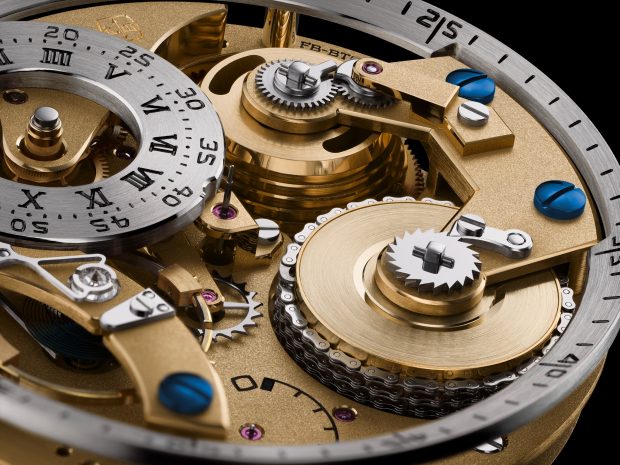
This culminated most recently in Naissance d’une Montre 3 that the brand unveiled last month, a project commissioned by the Time Æon Foundation to preserve endangered horological skills. Requiring some 11,000 hours of manual labour, the watch was built entirely by hand, like an 18th-century chronometer, without automation or computer assistance.
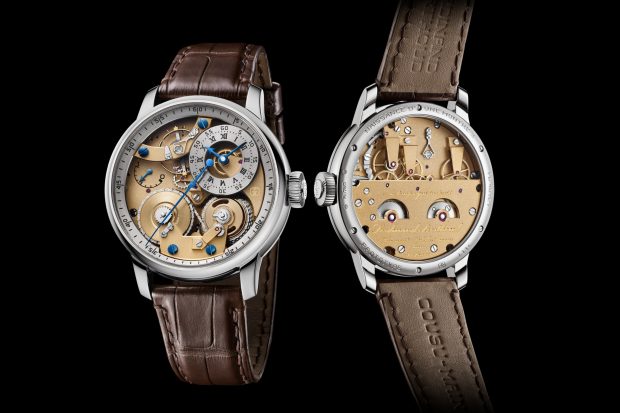
Regulated by a bimetallic compensation balance wheel, and powered by the traditional fusée-and-chain mechanism that was invented 500 years ago, this magnum opus stands as a heartfelt tribute befitting Ferdinand Berthoud’s 10th anniversary—an homage further explored in the new Assouline volume.
Advertisement

Related Posts





Advertisement